
🌳 Growing Leaders: Lessons from Youth Leadership Programs

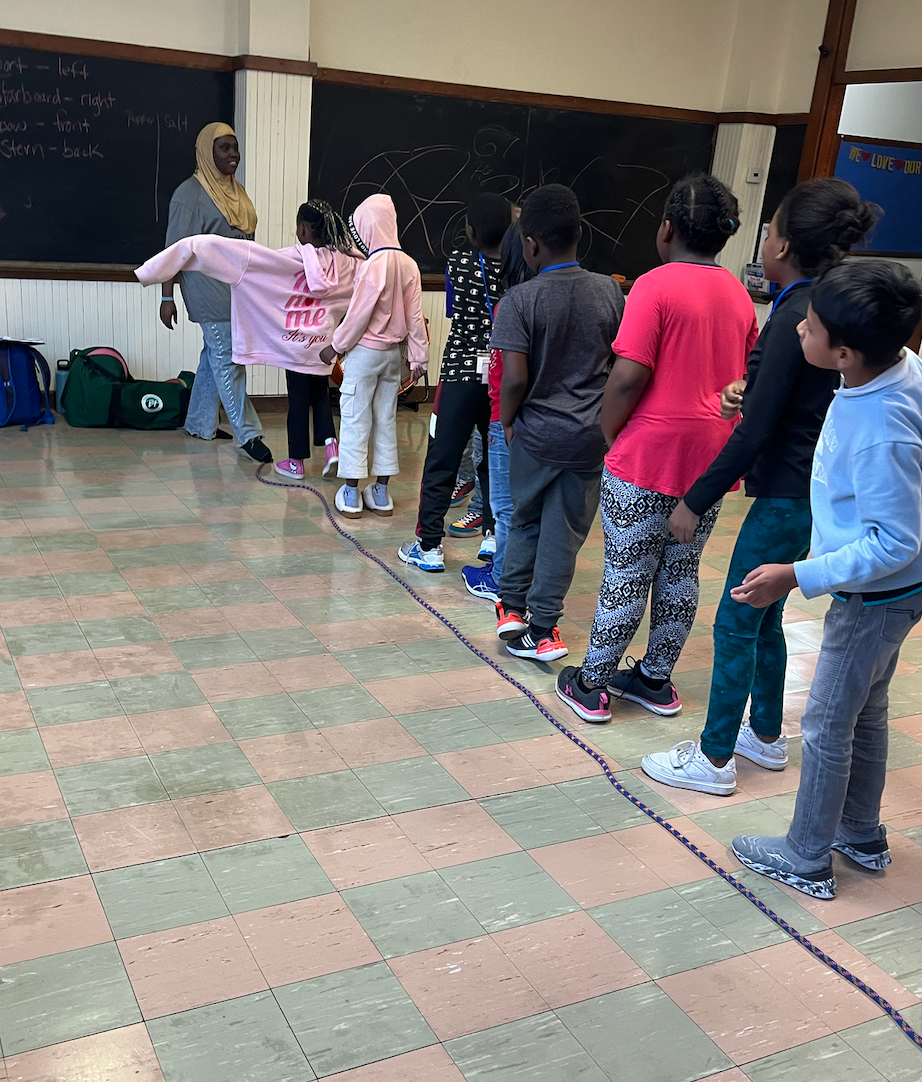
At Peers Not Fears, we believe that leadership isn’t something you’re born with—it’s something you grow. This October, we had the incredible opportunity to pilot a four-week leadership program with the AMICA Youth Program at the Center for New Americans, putting their TREE framework into action with youth across multiple age groups.
🌱 The TREE Framework: Youth Leadership Programs Growth from Seedling to Mature Tree
Our work is guided by the CNA TREE values: Teamwork, Respect, Equity, and Empowerment. Just like trees, young leaders grow in stages:
Seedlings (Grades 1–2) – Explorers learning to connect and participate.
Saplings (Grades 3–4) – Builders discovering foundational leadership skills.
Young Trees (Grades 5–6) – Collaborators practicing peer leadership.
Mature Trees (Grades 7–8) – Mentors modeling leadership and guiding younger students.
These values and stages give us a shared language for growth, helping participants understand what it means to lead themselves and others.
🧩 What We Learned From Our First Pilot
While some older students were ready to step into mentoring roles (Mature Trees), others were still developing the skills needed to guide younger participants. Younger students (Seedlings and Saplings) were eager to lead, but sometimes needed reminders about taking turns, listening, and collaborating—key skills in the TREE framework.
We also learned that space and group size matter. When we moved the older students into the gym for the final session, we saw higher engagement, stronger collaboration, and more effective problem-solving.

🌟 Challenges That Inspire Growth
One of the biggest takeaways from this pilot is the importance of clearly defining who is ready to mentor. Leadership is a privilege, not a reward, and mentors need to demonstrate consistency in behavior, self-regulation, and alignment with TREE values. In March 2026, we’ll refine our mentor selection process and introduce tools like rubrics and reflection exercises to help students assess their readiness to lead.
We also learned that leadership isn’t just about skill-building—it’s about energy, excitement, and engagement. Younger students loved being active leaders in games, but we’re exploring new ways to balance that energy with focus, ensuring everyone has the opportunity to learn and grow.
🌿 Looking Ahead with the Youth Leadership Program
The October pilot confirmed what we’ve long believed: leadership grows in stages, and each stage matters. In March 2026, we’ll launch round two of the program with:
Clearer pathways for students to grow from Seedlings to Mature Trees.
Defined mentor roles with readiness rubrics and reflection exercises.
Enhanced structures for games and activities to maximize participation and engagement.
Tools for staff and mentors to facilitate leadership consistently, including a new game booklet for independent use.

Our ultimate goal is simple: to empower every young person to recognize their strengths, step into leadership, and positively impact their community. This pilot has given us invaluable insights, and we can’t wait to continue growing our leaders at AMICA and beyond.
Want to learn more about how Peers Not Fears cultivates leadership in youth? Check out our programs and resources at peersnotfears.com.


Comments